News
The Impact of Electrification on Vehicle Development
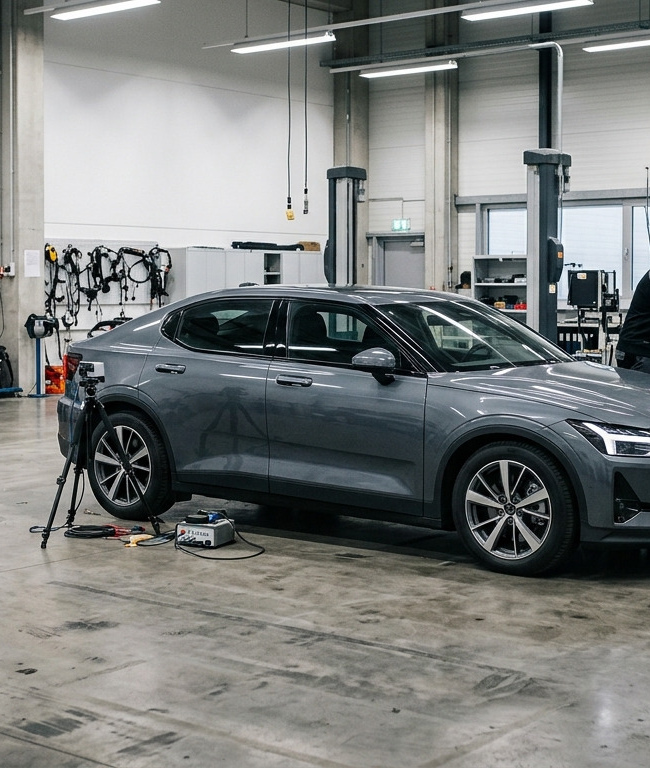
Electric vehicles are changing how the automotive industry designs, tests, and validates its products.
Vehicle electrification is already shaping some of the most important decisions in the automotive industry. It appears in conversations about range, battery, and charging, but it also affects less visible choices: structure, weight, safety, software, thermal management, suppliers, and validation. Developing an electric vehicle means looking at the car as a complete system, where every detail influences performance, efficiency, and user experience.
What changes in electric vehicle development?
The first major change is vehicle architecture. Batteries, electric motors, electronic systems, and high-voltage components require new spaces and specific engineering solutions. This affects weight distribution, center of gravity, interior packaging, and how the vehicle behaves during braking, cornering, and different driving conditions.
There is also a direct impact on materials and structure. Since the battery adds weight to the vehicle, every design decision needs to balance safety, range, and performance. A lighter component, a more efficient structure, or a well-planned design choice can make a real difference in the final result.
Why does safety need more attention?
In electrified vehicles, safety includes new points of care. Battery protection, electrical insulation, system heating, and vehicle behavior in impact situations need to be considered from the beginning of development.
Safety also depends on well-conducted tests. A project may look promising in concept, but it needs to prove itself in real use. Vehicle validation shows whether the product is ready to face heat, cold, vibration, long distances, different road surfaces, and demanding routines.
What is the role of thermal management?
The battery, electric motor, and power electronics need to operate within proper temperature ranges. When this balance fails, the vehicle may lose efficiency, range, and durability.
That is why thermal management has become a central part of electric vehicle development. It influences product reliability and the experience of those who will use the vehicle every day.
How has software changed automotive engineering?
In electric vehicles, software helps control energy use, motor response, regenerative braking, safety systems, and driver interaction.
This integration requires alignment between technology and physical engineering. What happens in digital systems needs to match the real behavior of the vehicle.
Validation is the bridge between innovation and confidence
Before reaching the market, an electrified vehicle must prove its safety, performance, and durability. Innovation only becomes valuable when it works beyond controlled environments.
Electrification is reshaping mobility, but this future depends on engineering, experience, method, and validation. For companies preparing their next automotive projects, Global Group supports this journey with engineering, testing, and validation solutions that bring innovation, safety, and real-world performance closer together.