News
Precision agriculture begins before planting
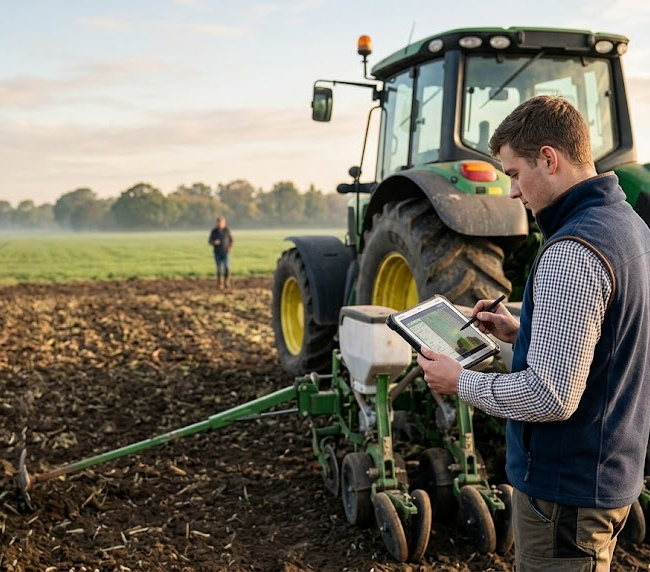
How technology, data, and engineering help prepare the field for better productivity.
When we talk about agricultural productivity, it is common to think directly about the harvest. However, in practice, a large part of the results is defined long before the first seed touches the soil. Pre-planting is a strategic stage of the agricultural operation. It is at this moment that data, machines, sensors, planning, and engineering come together to prepare the field in a more precise, efficient, and reliable way.
More than just a preparation phase, pre-planting is a decision-making phase. In an increasingly technological scenario, making the right decisions means using quality information, well-adjusted equipment, and technical processes capable of reducing risks throughout the entire crop cycle.
Before planting, it is necessary to understand the field
Each productive area has its own characteristics. Soil type, topography, crop history, moisture, climate, and fertility directly influence performance. Technology plays a key role even before planting begins. Soil maps, sensors, climate data, and previous harvest information help teams better understand each field section.
With this knowledge, operations can be planned more intelligently. Equipment selection, adjustments, and input use are guided by data rather than perception.
Data transforms planning into strategy
Precision agriculture allows a more detailed view of the field, identifying differences within the crop. This enables more efficient decisions, such as optimizing inputs, correcting specific areas, and reducing waste. In pre-planting, this analysis is essential, as failures at this stage can impact the entire crop cycle.
Agricultural machines are becoming increasingly intelligent
Machinery has evolved significantly. Tractors, planters, and implements now include sensors, connectivity, and navigation systems. These technologies make operations more controlled and predictable. However, to deliver results, machines must be well integrated, calibrated, and suited to real conditions.
Proper adjustment prevents future losses
In pre-planting, small adjustments can have a big impact. Seeding depth, distribution, machine speed, and calibration directly affect crop establishment. Poor adjustments can lead to inefficiencies and losses. That is why technical preparation is essential to ensure productivity.
Technology must also be validated in the field
The agricultural environment is challenging, with dust, vibration, and varying conditions. Technology must perform reliably in real scenarios, not just controlled environments. Validation helps identify failures, measure performance, and reduce risks.
Efficiency comes from integration
Precision agriculture depends on the integration of data, machines, people, and processes. When these elements work together, operations become more efficient and predictable. This is especially important in pre-planting, where the foundation of the crop is built.
The role of engineering in advancing agriculture
Agricultural technology evolves quickly, but its application requires technical expertise. Engineering supports machine development, system validation, process improvement, and performance analysis, contributing to efficiency and reliability.
How Global Group can support this process
Global Group provides engineering solutions for the agricultural sector, connecting development, validation, and technical support. In pre-planting, this support helps improve processes, validate equipment, and enhance operational performance. Because the future of the crop begins before the first seed.
And when technology, data, and engineering work together, the field produces with greater precision and confidence. Contact Us.